About us

Dendynamics is an innovative company at the intersection of artificial intelligence (AI) and life sciences, focusing specifically on dendritic cells—crucial immune cells that are essential for initiating and regulating the body’s immune responses.

The company aims to harness its expertise in dendritic cell biology alongside advanced computational techniques to create groundbreaking treatments and diagnostics for various diseases. By leveraging machine learning and other AI technologies, Dendynamics analyzes complex biological data, formulates novel therapeutic strategies, and develops personalized medical approaches tailored to individual patient needs.

Telomeres: Unlocking the Mystery of Longevity

The phrase «secret to eternal youth» has always captured the imagination. Promises of rejuvenation come from supplement manufacturers, diet advocates, and scientists studying the mechanisms of aging. One of the most fascinating discoveries in this field revolves around telomeres—the protective structures at the ends of our chromosomes that play a crucial role in cellular health and longevity.

Telomeres: The Future of Health and Immortality
Telomeres, the microscopic DNA caps that protect our chromosomes, have emerged as the central players in the quest to unlock the mysteries of aging and extend life itself. While they are a fundamental component of our genetic makeup, their true potential remains largely untapped. As science advances, these tiny sequences of genetic material are revealing themselves to be not merely markers of aging, but gateways to the ultimate regeneration of the human body, unlocking the secrets to prolonged youth, vitality, and the possibility of immortality.

Understanding Telomeres and Their Role in Aging
At the core of cellular aging lies the inevitable shortening of telomeres. These protective DNA sequences are located at the ends of chromosomes, and with each cell division, the telomeres become shorter. This gradual wear and tear is an essential part of the aging process, contributing to the deterioration of cells, tissues, and organs over time. Once telomeres become too short to protect chromosomes effectively, cells lose their ability to divide, leading to senescence (cellular aging) or programmed cell death.

This loss of regenerative capacity is at the heart of many age-related diseases, including cancer, heart disease, and neurodegenerative disorders. As the body ages, the shortening of telomeres accelerates, contributing to the loss of vitality and function. Yet, the discovery that telomeres can be restored, or even lengthened, presents a revolutionary opportunity to reverse these effects and reclaim the essence of youth.

Telomere Extension: The Science of Reversing Aging
In recent years, groundbreaking scientific research has demonstrated that it is possible to reverse the aging process by restoring or even lengthening telomeres. Various approaches to telomere extension have emerged:

Telomerase Activation:
Telomerase is the enzyme responsible for maintaining the length of telomeres. By activating telomerase in adult somatic cells (which usually lack this enzyme), researchers have been able to lengthen telomeres and restore the ability of cells to divide and regenerate. This method holds enormous potential for treating age-related diseases and rejuvenating tissues that have long since lost their regenerative abilities.

Gene Editing Techniques:
Cutting-edge gene-editing technologies, such as CRISPR, are enabling scientists to manipulate the very genetic mechanisms that control telomere length. By directly editing the genes responsible for telomere maintenance, it is possible to repair or rejuvenate aging cells with unprecedented precision.

Stem Cell Therapy:
Stem cells naturally possess long telomeres, allowing them to divide and regenerate tissues throughout the body. By introducing stem cells into aging or damaged organs, it is possible to restore youthful function and repair degenerative damage. Stem cell-based therapies, combined with telomere extension, could offer transformative treatments for a variety of age-related ailments.

Pharmacological Solutions:
Several pharmaceutical compounds are being studied for their ability to mimic the effects of telomerase and promote telomere extension. These compounds could provide a non-invasive, long-term solution to aging by slowing or halting the shortening of telomeres, offering a new frontier in anti-aging medicine.

Rejuvenation and Regeneration: A World of Possibilities
The ability to restore telomeres promises not just extended life, but a complete rejuvenation of the body. Here’s how telomere therapies could transform the future of human health:

Youthful Appearance and Vitality:
Telomere restoration could erase the physical signs of aging—wrinkles, age spots, and sagging skin—allowing individuals to retain a youthful appearance well into their later years. Additionally, rejuvenated cells would restore hair growth, vitality, and overall skin health.

Muscle and Bone Regeneration:
Muscles and bones naturally deteriorate with age, leading to frailty and decreased mobility. By extending telomeres, muscle and bone cells could regenerate, maintaining strength, flexibility, and resilience well beyond what is currently possible.

Organ and Tissue Repair:
Vital organs, such as the heart, liver, and kidneys, can become increasingly damaged with age. Telomere extension could restore the regenerative capacity of these organs, reversing or preventing degenerative diseases like heart failure, cirrhosis, and kidney disease.

Neurological Health and Cognitive Function:
The brain is one of the first organs to show signs of aging. Shortened telomeres in brain cells are linked to cognitive decline, memory loss, and neurodegenerative conditions like Alzheimer’s. Extending telomeres in the brain could preserve mental clarity, protect against neurodegeneration, and maintain cognitive function well into advanced age.

Enhanced Immune System Function:
The immune system weakens with age, leaving the body vulnerable to infections, cancer, and chronic diseases. Telomere extension could rejuvenate immune cells, enhancing the body’s ability to fight off diseases and maintain overall health.

Ethical and Social Implications of Telomere Technology
As promising as telomere science is, it raises a host of ethical and societal questions. The prospect of dramatically extending human life could reshape society in profound ways:

Overpopulation and Resource Distribution:
With longer lifespans, the global population may continue to grow, placing increased strain on resources, healthcare systems, and the environment. Balancing population growth with sustainability will be a critical challenge.

Access to Longevity Technologies:
As with any emerging technology, there may be disparities in access to telomere therapies. The question of who will benefit from these advancements—and who will be left behind—will require thoughtful consideration and equitable distribution of resources.

The Social Impact of Immortality:
If human lifespan extends indefinitely, it could lead to shifts in family structures, career trajectories, and even societal values. The implications of living for hundreds of years—without the risks of aging—would require a reimagining of how we live, work, and interact with one another.

A New Era of Human Health and Immortality
Telomeres are no longer just a biological curiosity—they represent the gateway to a new age of health and vitality. As we continue to unlock the secrets of these genetic timekeepers, the dream of extended youth, robust health, and even immortality becomes a real possibility.

With every breakthrough in telomere research, humanity inches closer to a future where age is no longer a limiting factor, and the possibility of living well, for as long as we choose, becomes a tangible reality. In this future, health, regeneration, and youthful vitality are not just for the fortunate few—they are for all who dare to embrace the promise of endless life.

What Are Telomeres?

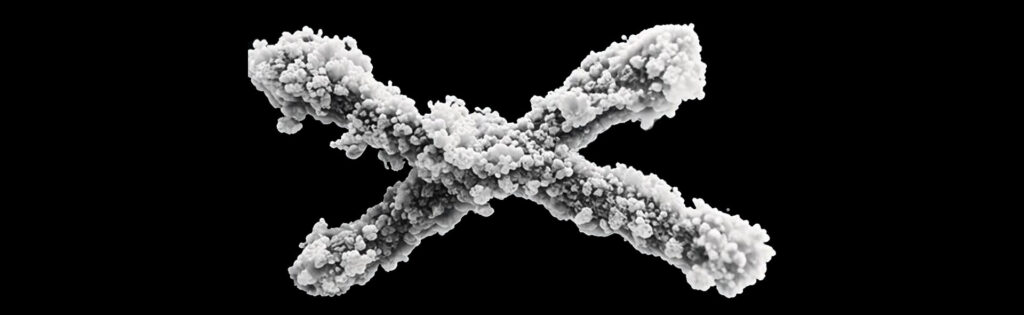
Our DNA is stored in chromosomes—X-shaped structures inside the cell nucleus. Telomeres are the protective caps at the ends of these chromosomes, composed of repeating sequences of nitrogenous bases (in humans, the sequence is TTAGGG, repeated about 3,000 times). Their primary function is to shield the chromosome ends from deterioration and fusion with neighboring chromosomes.

A useful analogy is to think of telomeres as the plastic tips on shoelaces that prevent fraying. Without telomeres, chromosomes would stick together, leading to genetic instability and mutations, potentially resulting in diseases such as cancer.

Telomeres also enable chromosomes to survive cell division. Each time a cell divides, the chromosome is copied, but a small portion of the telomere is lost—roughly 25–200 bases per division. Over time, as telomeres shorten, the cell loses its ability to divide and eventually undergoes programmed cell death.


Telomeres and Aging

Studies have shown a clear link between telomere length and the aging process. As telomeres shorten, cells lose their regenerative capabilities, leading to the decline of tissue and organ function.

Telomere length serves as an indicator of biological age, which may differ from chronological age. For instance, two individuals of the same age can have very different biological ages, as reflected in their telomere length—one may look and feel significantly younger or older than the other.

While telomere shortening is a natural part of aging, it’s not the sole factor. Oxidative stress, chronic inflammation, and glycation (a reaction where sugars damage proteins) also contribute to cellular aging.


Telomeres and Cancer

Interestingly, the enzyme telomerase—which can extend telomeres—is active not only in stem cells but also in cancer cells. This allows cancer cells to bypass normal limits on division, leading to uncontrolled growth and tumor formation.

Targeting telomerase in cancer cells has been proposed as a potential treatment strategy. However, this approach faces challenges, as inhibiting telomerase could also affect healthy cells, such as sperm, eggs, and immune cells, that rely on this enzyme for their function. Despite these obstacles, researchers remain optimistic about telomerase inhibitors as a future cancer therapy.


Can Telomeres Be Lengthened to Extend Life?

Scientists are exploring two main approaches to lengthening telomeres:

  1. Activating Telomerase. Experimental techniques, such as using modified RNA to encode telomerase components, have shown promise in laboratory settings. For example, researchers successfully extended telomeres by 10% in cell cultures.
  2. Lifestyle Changes. Studies suggest that healthy habits, including proper nutrition, exercise, and stress management, can slow telomere shortening and even slightly increase their length.

Practical Tips for Maintaining Telomere Length

While a «magic pill» to lengthen telomeres is not yet available, adopting a healthy lifestyle can have a noticeable impact. Here’s what can help:

  • Nutrition. A diet rich in fiber, vegetables, and complex carbohydrates, such as the Mediterranean diet, supports cellular health.
  • Physical Activity. Regular, moderate exercise, such as walking for 30 minutes six days a week, can slow telomere shortening.
  • Stress Management. Practices like meditation, yoga, and deep breathing can reduce oxidative stress and promote overall cellular health.

Telomere length may not be the sole determinant of longevity, but it plays a significant role in cellular aging and overall health. Protecting telomeres is not just about adding years to life—it’s about enhancing the quality of those years.

While scientific breakthroughs continue to shed light on telomeres, the most reliable way to support them today is through a balanced lifestyle. In the future, advancements in telomere research could bring us closer to unlocking the true potential of longevity.